From 1-Jan-2022, All foreign food manufacturers, exporters
Chinese importers need to be registered with GACC,
then can be imported into China.
National food catalogues of
traditional trade & meet the requirements of export to China
符合评估审查要求及有传统贸易的国家或地区输华食品目录信息系统
For some "Risky food" Categories, ,
GACC
needs to conduct a ‘National System Assessment’ for the
country of origin, and only after complying with China's
regulatory requirements, then sign a bilateral protocol with
the country of origin, to allow food types that listed in
the catalog to be imported into China, which is the
so-called "GACC National White List
for Risky Food" ;
National System Assessment: It refers to the evaluation activities of the food safety management system of countries (regions) applying for export of this type of food to China by the GACC before a certain type (species) of food is exported to China for the first time.
The GACC will dynamically adjust this
"GACC National White List
for Risky Food" based on the evaluation and review results. Currently, this National food catalogues includes
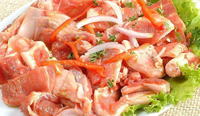
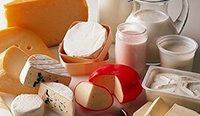
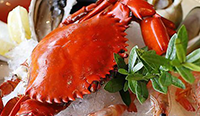
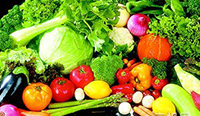
9 categories: Meat (deer products, horse products, cattle products, poultry products, sheep products, pig products) (except offal and by-products), Dairy products, aquatic products, bird’s nest, casings, Food of Plant Origin, Chinese medicinal materials, bee products,
and Feed products.
Similarly, overseas enterprises that produce and export these
"high-risk" food categories need to establish a food
quality management system that meets the requirements of
China's corresponding food category regulations (such as
GMP or HACCP, etc.), shall be Reviewed, Endorsed and
recommended by the competent authorities of their
countries/regions to GACC for registration, after GACC
review or Site-audit, If qualified, list into the "List
of GACC Qualified overseas enterprises exporting to
China", commonly known as the "GACC Company White List
for Risky Food"
In China, the imported food is divided into 4 risk levels
from low to high :
A, B, C, D ; Different levels of
supervision are adopted for foods with different risk
levels;
The medium to high risky imported food categories
include:Meat products, aquatic products, dairy products,
sausage casings, bird nest products, bee products, egg
products, edible oils and fats, oilseeds, stuffed wheaten
products, edible grains, milled grain industry products and
malt, fresh and dehydrated vegetables and dried beans,
condiments, nuts and seeds, dried fruits, unroasted coffee
beans and cocoa beans, foods for special dietary purposes,
and health foods, Animal feed etc.
In addition to the above-mentioned general food import
procedures, the risky imported food also need to go through
other government procedures of Manufacturer
Registration / Certifcation, Pre-market approval of the
product etc.